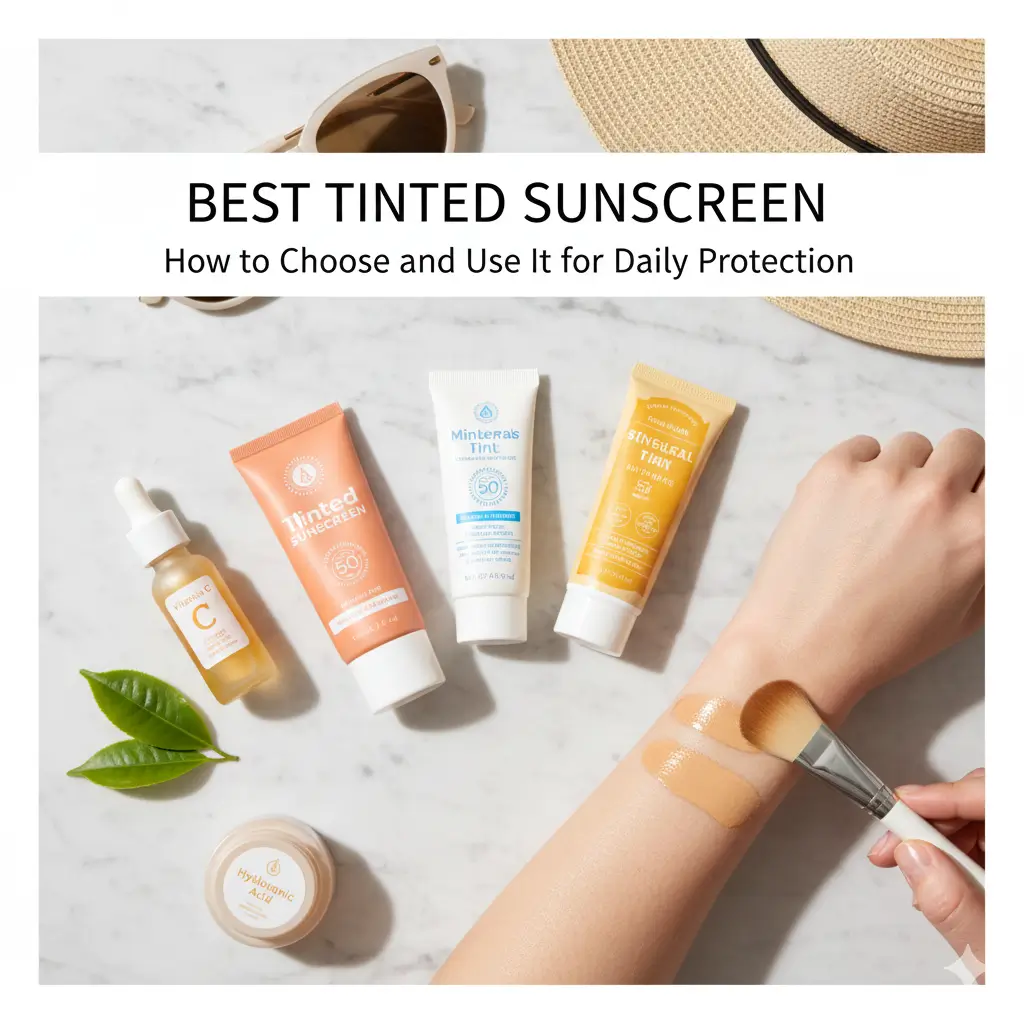
Best Tinted Sunscreen: How to Choose and Use It for Daily Protection
Table of Contents
Finding the best tinted sunscreen can feel overwhelming. The market is flooded with products claiming to protect, hydrate, and even out your skin tone, but not all deliver on these promises. I’ve tested dozens of options, reviewed expert advice, and researched ingredient science so you don’t have to waste time or money.
Tinted sunscreens are not just makeup replacements—they’re an essential part of your sun protection routine. They combine UV defense with subtle coverage, making them perfect for daily wear. In this guide, I’ll walk you through what makes a tinted sunscreen truly effective, how to choose the right one for your skin, and my top recommendations based on real results.
Why Tinted Sunscreens Matter
Many people underestimate the power of a good sunscreen. UV damage isn’t just about sunburn—it accelerates skin aging, increases pigmentation, and can even raise your risk of skin cancer.
Tinted sunscreens have an added advantage: the tint acts as a physical barrier against visible light, which can worsen hyperpigmentation. This is especially important if you struggle with melasma, freckles, or dark spots.
Simply put, the best tinted sunscreen protects your skin, improves its appearance, and simplifies your morning routine.
What Makes a Tinted Sunscreen the Best
Not all tinted sunscreens are created equal. When selecting one, consider these key factors:
1. Broad-Spectrum Protection
Check for “broad-spectrum” on the label. This ensures the product blocks both UVA and UVB rays. UVA rays penetrate deeper and contribute to aging and pigmentation, while UVB rays cause sunburn.
2. SPF Rating
Dermatologists recommend SPF 30 or higher for daily use. Even if you’re indoors most of the day, UV rays can penetrate windows. For prolonged outdoor exposure, SPF 50 is ideal.
3. Mineral vs Chemical Filters
Mineral sunscreens (zinc oxide, titanium dioxide) sit on top of your skin and reflect UV rays. They’re less likely to irritate sensitive skin. Chemical sunscreens absorb UV rays and convert them to heat. Many high-quality tinted sunscreens use a combination of both.
4. Skin Tone Matching
A tinted sunscreen should blend seamlessly with your natural skin tone. Too dark or too light, and it looks unnatural. Many brands offer multiple shades or neutral tints that adapt to most complexions.
5. Texture and Finish
You want a lightweight, non-greasy formula that absorbs quickly and doesn’t leave a white cast. Some tinted sunscreens also double as a primer or light foundation, which is a bonus if you prefer minimal makeup.
6. Additional Skin Benefits
Some formulas include antioxidants, niacinamide, or hyaluronic acid to improve hydration, brighten skin, and fight free radical damage. These ingredients elevate a sunscreen from basic protection to skincare.
How to Apply Tinted Sunscreen Correctly
Even the best tinted sunscreen won’t work if applied incorrectly. Follow these steps for maximum protection:
Step 1: Start With Clean, Moisturized Skin
Prep your skin with a gentle cleanser and moisturizer appropriate for your skin type.
Step 2: Apply a Generous Amount
Most people use half of what they actually need. For your face, a nickel-sized amount is usually recommended.
Step 3: Blend Evenly
Cover your face, hairline, ears, and neck.
Step 4: Wait Before Makeup
Let the sunscreen set for a minute to avoid pilling.
Step 5: Reapply Regularly
Every two hours outdoors, or after swimming or sweating.
Top Recommendations for the Best Tinted Sunscreens
La Roche-Posay Anthelios Mineral Tinted SPF 50
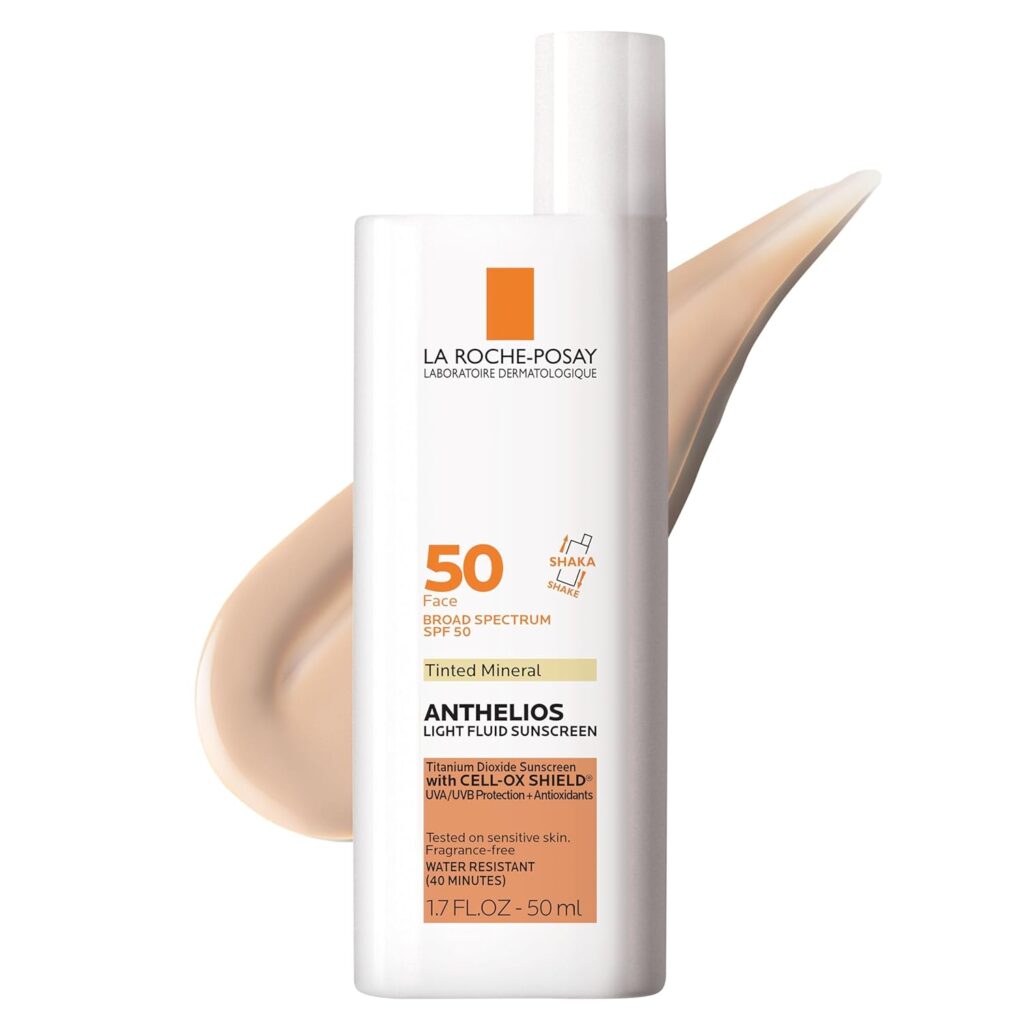
- Mineral-based, broad-spectrum
- Lightweight and fast-absorbing
- Neutral tint that suits most skin tones
Availble at Amazon
EltaMD UV Elements Tinted SPF 46
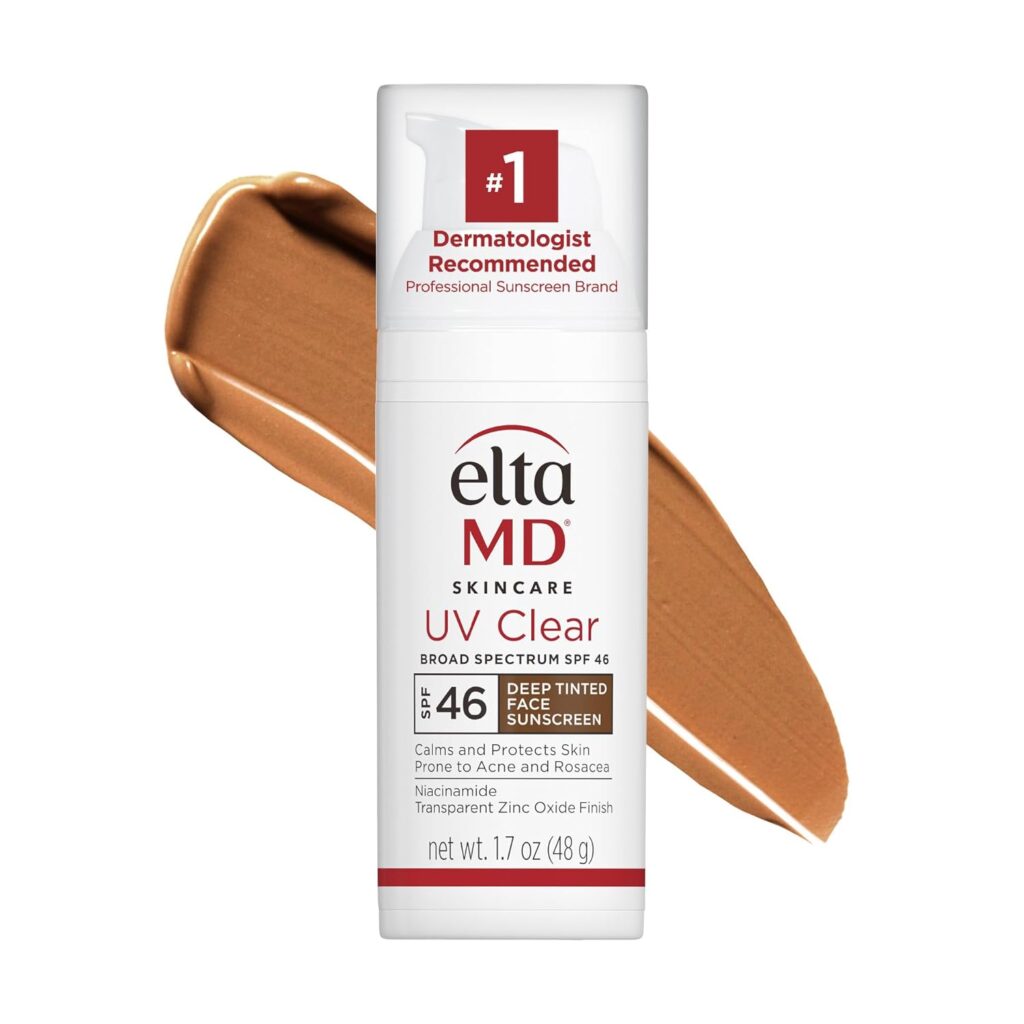
- Zinc oxide-based formula
- Hydrating with niacinamide
- Sheer tint for daily wear
Availble at Amazon
Bare Republic Mineral Face Sunscreen SPF 30 Tinted
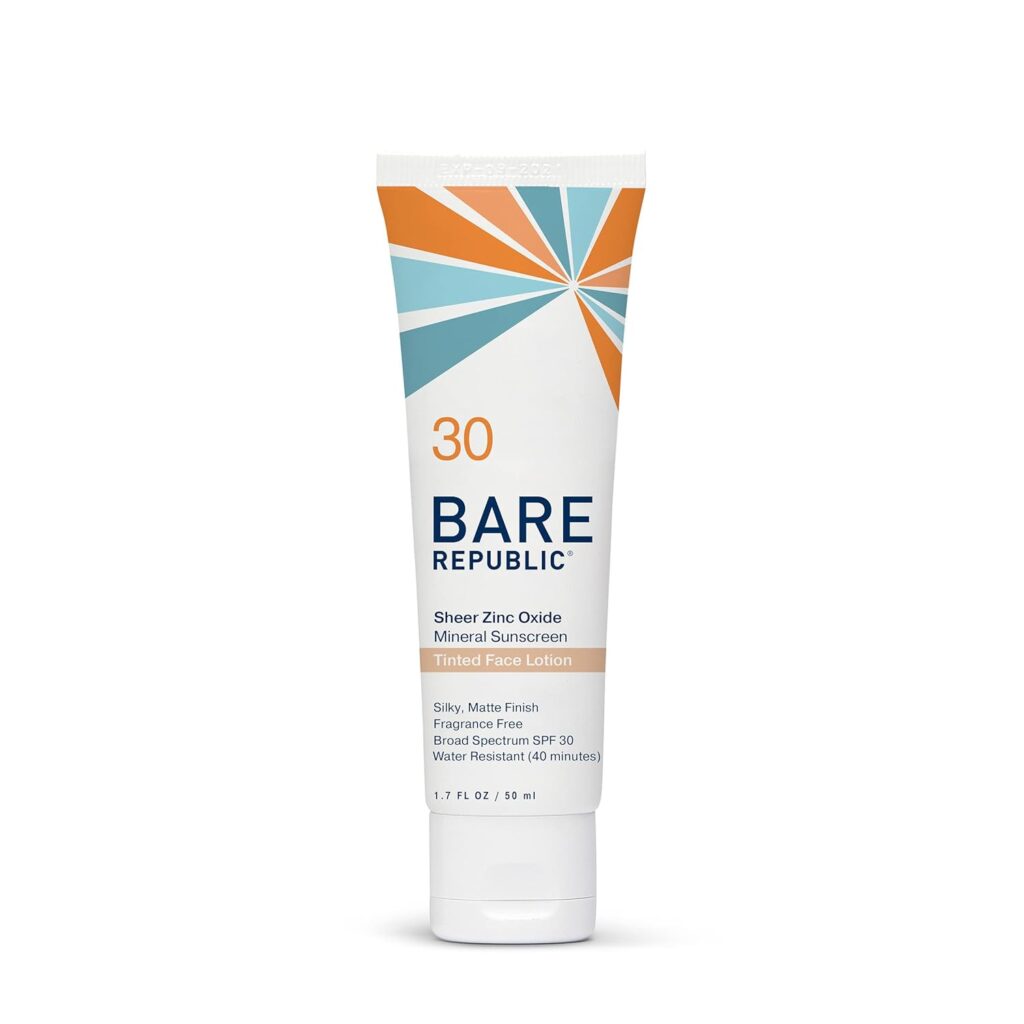
- Affordable mineral option
- Smooth texture and good coverage
- Reef-safe formula
Available at Amazon
Supergoop! Glowscreen SPF 40
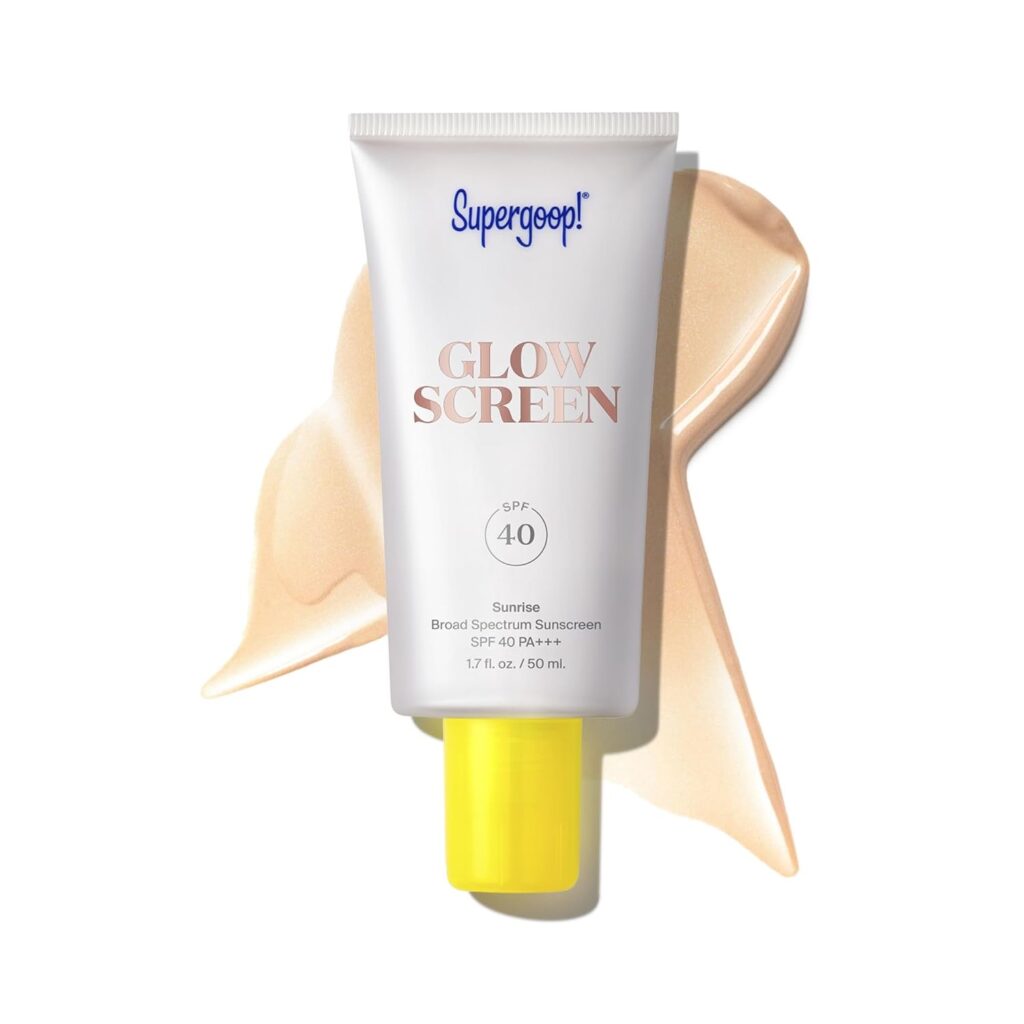
- Chemical-mineral hybrid
- Dewy finish that doubles as a primer
- Antioxidants for added skin benefits
Available at Amazon
ISDIN Eryfotona Actinica Tinted SPF 50+
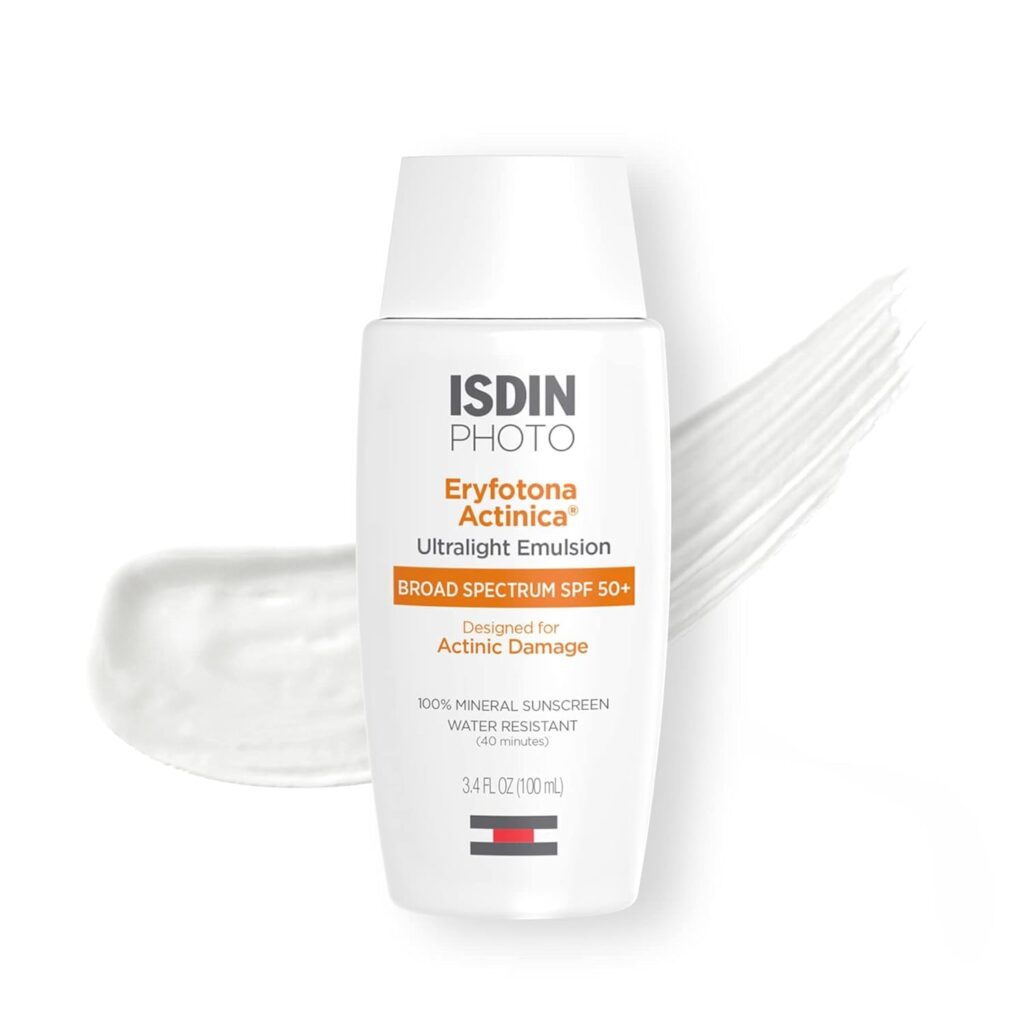
- Provides protection against UVA, UVB, and visible light
- Lightweight with anti-aging properties
- Ideal for sensitive or sun-damaged skin
Available at Amazon
Common Mistakes to Avoid
Applying Too Little
Most people underapply, which drastically reduces SPF effectiveness.
Skipping Reapplication
Sun protection wears off, especially if you sweat or touch your face.
Ignoring Other Areas
Don’t forget ears, neck, and hands—they age faster from sun exposure.
Assuming All Tinted Sunscreens Are Makeup
Look for SPF and active UV filters, not just color.
How to Layer Tinted Sunscreen With Makeup
Tinted sunscreen is versatile and works well under makeup:
- Apply sunscreen first and allow a few minutes to set.
- Use lightweight foundations or concealers only where needed.
- Avoid powders directly on top if the sunscreen is very creamy.
- For a minimal look, the sunscreen alone may suffice.
Who Should Use Tinted Sunscreen
Tinted sunscreen is ideal for:
- Anyone with pigmentation concerns or sensitive skin
- Those who want a natural, everyday coverage without full makeup
- People seeking an easy morning routine with combined sun protection and light coverage
- Outdoor enthusiasts needing reliable sun protection with cosmetic benefits
Final Thoughts on the Best Tinted Sunscreen
The best tinted sunscreen isn’t just about the tint—it’s about protection, texture, and consistency. Look for broad-spectrum SPF, choose a shade that suits your skin, and reapply regularly. Mineral-based formulas are great for sensitive skin, while hybrid formulas offer hydration and glow.
Investing in a quality tinted sunscreen is investing in your skin’s future. It prevents pigmentation, premature aging, and protects your skin daily. With the right product and proper application, you can combine skincare and light coverage effortlessly.
Remember, tinted sunscreen works best when used consistently as part of a full sun protection routine. Apply generously, reapply when needed, and enjoy the confidence of healthy, protected skin with a touch of subtle coverage.
FAQs About Tinted Sunscreen
Do I need tinted sunscreen if I wear foundation?
Yes, foundation may contain minimal SPF, but it’s usually not enough. Tinted sunscreen ensures proper UV protection.
Can tinted sunscreen replace moisturizer?
Some formulas are hydrating, but it depends on your skin type. Dry skin may still need a separate moisturizer.
How often should I reapply tinted sunscreen?
Every two hours outdoors, or after swimming/sweating.
Will tinted sunscreen cause breakouts?
Look for non-comedogenic formulas. Mineral-based options tend to be gentler on acne-prone skin.
Can tinted sunscreen prevent hyperpigmentation?
Yes, especially those with broad-spectrum protection and added antioxidants.